-
The Trials and Triumphs of Caravan Parking
Ok, so I have been a caravan owner for over two and a half years, not what you could call experienced but not a complete novice. To be fair, we have been on less than a handful of caravan parks, the vast majority of what we do is free or bush camping, you pull up where you like and camp, there are no regimented pitches. So anyone watching my solo attempt to get myself parked on our current site at Woodman point would have been thoroughly entertained. Debbie could not be with me this time, so I was on my own (no help with reversing the van). We had asked for an extra wide pitch because we have a large slide out bed on the side of the van.
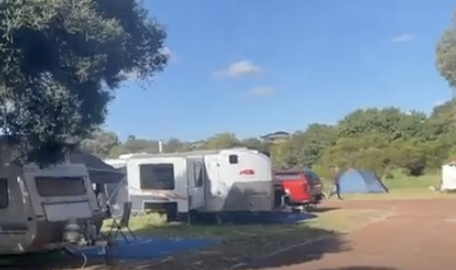
When I turned up, sure enough, we had been given a large corner pitch, ideal. There was a large blue mat in the centre of the pitch which clearly was meant to be our outdoor area, so I was to park the van to the side of it. To left was another pitch with a caravan on it, to the right was a lamp post and the roadway. Behind was a large caravan. So I decided to park the van to the right of the blue mat next to the lamp post. Without assistance, it took me about twelve attempts to get the van exactly where I intended. I had avoided the lamp post and had not hit the van behind me. Without a “spotter” I had to get out of the car and check my position countless times. Well done me!
As soon as I was about to unhitch, I realised that the door of the caravan was on the wrong side. I should have parked to the left on the blue mat, not to the right. This would mean our awning would be covering the roadway. FFS!
Never mind, I will just have to move it.
Countless more manoeuvres were required to position Mobi to the left of the mat. Happy that we could now exit the van and set up our table in the correct position, I set about putting up the awning and setting up camp. Finally, I pulled out our slide out bed. To my horror it extended about two feet into next doors pitch. There was no way our neighbour would be able to park their car. Double FFS!
Just as I was about to put the last peg in the ground after having moved positions for a third time when the phone rang and Debbie was ready to be picked up, the first thing she said was “ did you have a nice afternoon”?
I couldn’t help but chuckle at the day’s events. Despite the struggles, it was all part of the adventure of caravan life. Next time, I’ll remember to double-check my positioning before I settle in!
-
Great job, thank you.
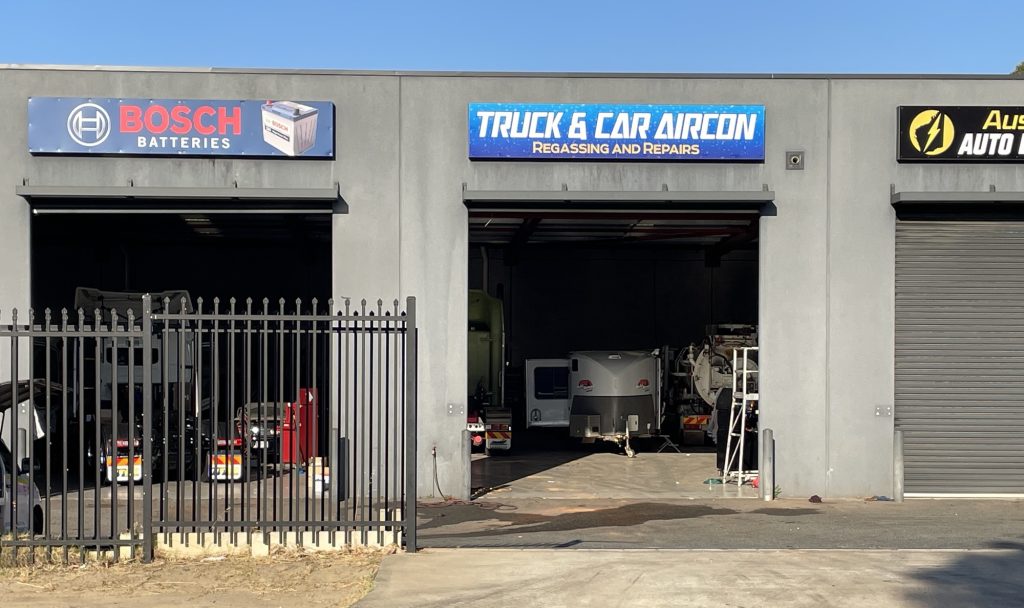
A big thank you to Ross and his team at Aus West Auto Electrical.
A week out from Christmas — arguably the busiest time of year for most businesses — our electrical system gave up the ghost. Thankfully, Ross and the crew swooped in and had us up and running again in quick time, and for a very reasonable price. Couldn’t be happier with the service.
-
These things are sent to try us!
As expected, things don’t always go to plan.
Tonight finds us sitting in semi-darkness after the battery system on the Mobi decided to throw in the towel. I’ve checked every fuse I can find, but once I start following the wiring, it quickly turns into what looks like a bowl of spaghetti — and about as easy to understand.
The end result? No fridge, no water pump, and only half our lights. The good news is that we still have air-conditioning and cooking facilities, so we’re hardly roughing it and will survive the night quite comfortably.
Tomorrow will be spent hunting down an auto electrician, though being this close to Christmas doesn’t exactly improve our odds. Still, this is all part of the adventure — plans change, patience gets tested, and stories get written.
-
Familiar Territory
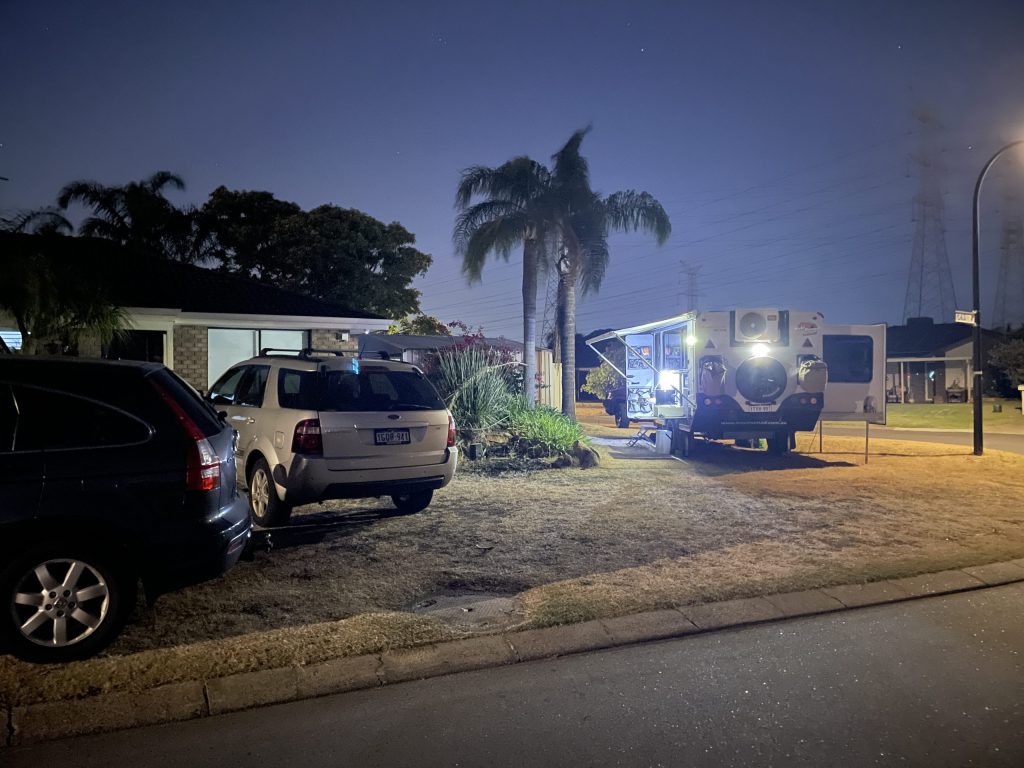
Back on familiar territory for a few days — it’s nice to pause somewhere that feels familiar.
-
Tea Time Routine


Having been here for a few weeks now, we’re starting to earn the trust of the locals. Every afternoon at tea time there’s a familiar line-up — quendas, pigeons, wagtails and skinks, all waiting patiently for their share. Even the kookaburras are getting braver by the day, watching closely and edging ever nearer.
-
Coogee Beach
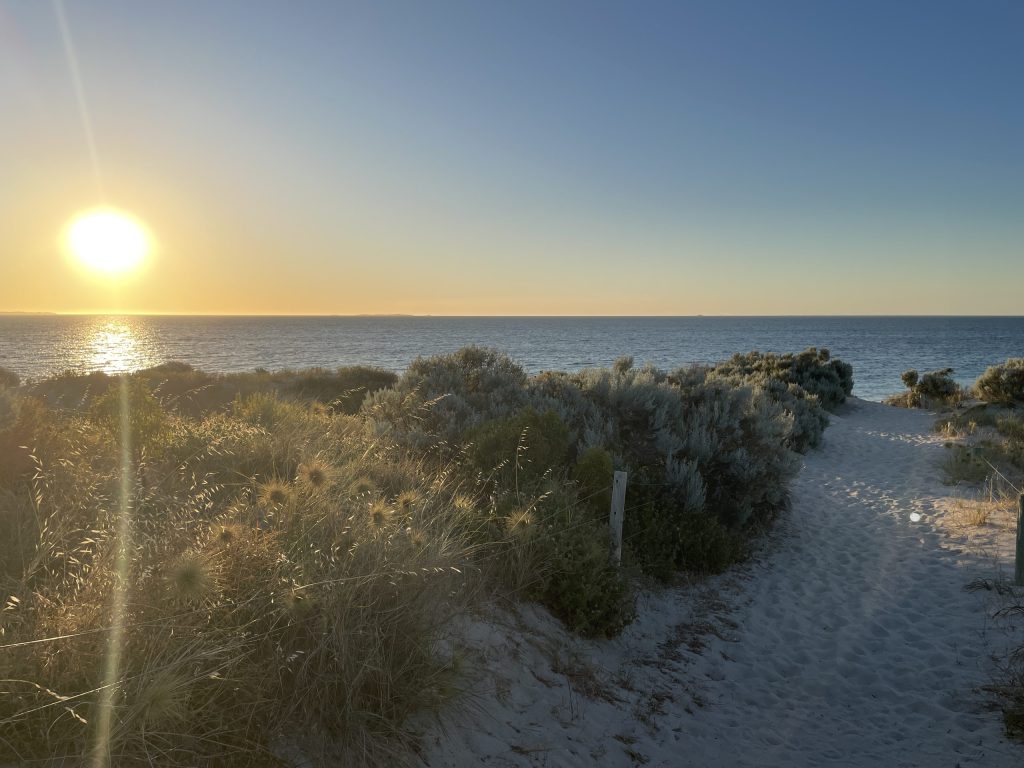
Coogee Beach this evening.
-
Back in the Mobi and Counting Down to Christmas!
After two lovely weeks house- and dog-sitting in Melville, we’re back in the Mobi for another four weeks of van life. After that? Who knows! By then, Christmas will be just around the corner, and I’ll be saying my final farewell at work — probably with a grin wide enough to qualify as a safety hazard.
Right now, we’ve parked ourselves near one of Western Australia’s many world-class beaches. And no, that’s not just hometown bias talking — they really are some of the best beaches on the planet. White sand, turquoise water, sunshine… what more could you want?
Well, maybe slightly fewer sharks. Because as it happens, this is prime “Jaws” season, so I’ll be admiring the view from a safe and sensible distance — preferably with a cold beer and some shade. Debbie, of course, might be braver… or just more easily tempted by a paddle.
For now, we’re happy just winding the clock down, soaking up the sea breeze, and getting used to calling the Mobi “home.” The real adventure is right around the corner — and this little warm-up lap isn’t a bad way to start.
-
The Case of the Fly-Eating Dog and the Sock Drawer Ghost
It began, as all good mysteries do, with good intentions and mild apprehension. We’d agreed to house- and dog-sit for friends while they were off gallivanting overseas. Lovely house, nice area — except for one small detail: the mozzies. On previous visits, we’d been treated like an all-you-can-eat buffet by the local mosquito population, so this time we came armed with sprays, coils, and long sleeves.
What we hadn’t factored in was the household’s newest security system — a dog with the reflexes of a fighter pilot and the appetite of a frog. The moment a fly dared to enter the airspace, the dog sprang into action, snatching the intruder mid-flight and crunching it with a look of triumph.
Within hours, our once-buzzy war zone was silent. Not a single winged creature dared to enter the no-fly zone patrolled by The Insect Assassin .
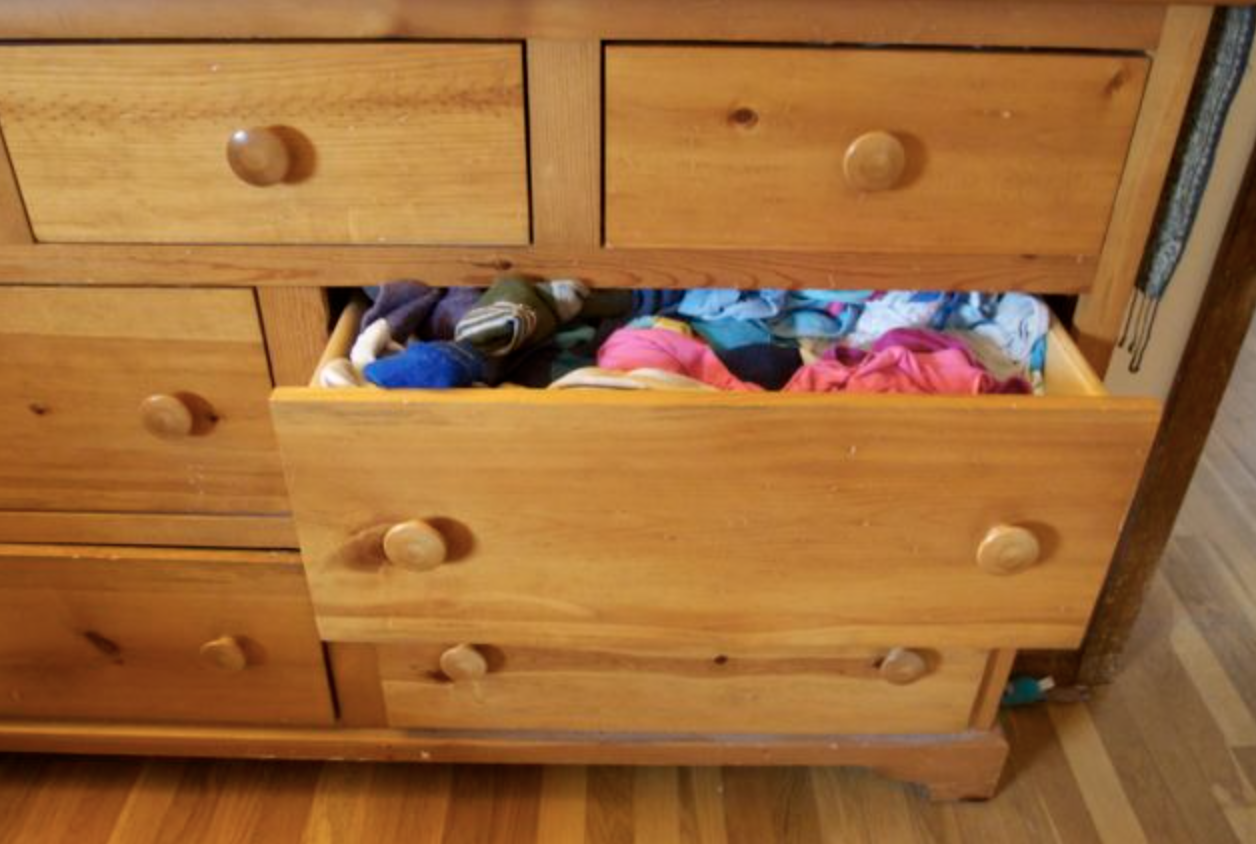
With the skies now clear and our blood supply intact, we retired to bed, grateful for the peace and a large, tidy room. That’s when I noticed it — the sock drawer beside the bed, half open. Odd, I thought. I could’ve sworn I’d closed it earlier when we unpacked. No matter. I shut it again and turned in.
Morning came, and so did the shock — the drawer was open again. “That’s strange,” I muttered. I shut it once more, firmly this time, convinced it was just my imagination. But that evening… there it was. Open again.
By day three, I’d given up trying to reason with it. If the ghost wanted the drawer open, the ghost could have it open. I wasn’t about to start a turf war with the supernatural. But of course, the next morning, it was closed.
I’m not saying anything, but I know what I saw.
We’re back in the caravan on Saturday — no drawers in there, and every cupboard has a lock. At least if anything moves on its own, I’ll know it’s not me… or will I?
-
Two Months to Go – and Already on the Move!
We’re not officially on our Big Lap just yet, but the wheels have definitely started turning. The house is empty, our worldly possessions are in storage (hopefully all in the same storage unit), and we’ve officially moved out. It feels strange, exciting, and slightly terrifying all at once — a bit like handing in your homework and realising you might have left your name off the top.
Our first stop was Woodman Point Discovery Caravan Park for a quick trial run — a week of “practice retirement,” if you will. The weather, naturally, didn’t get the memo and decided to test both our patience and waterproofing. To make things even more entertaining, my back decided to join the rebellion. Still, we got through it with a mix of stubbornness, hot tea, and the occasional groan.
We did have some lovely company though — Lincoln and Olivia dropped by for a visit, bringing sunshine and laughter (and reminding us that sitting still isn’t really our strong suit).
For now, we’re house- and dog-sitting for friends for a couple of weeks before we head off properly into the great outdoors until Christmas. The adventure has already begun, just at a slightly slower pace — and with fewer kilometres but plenty of wagging tails.
-
Lost and Found: The Great Dump Point Expedition
Search and rescue operations were briefly (and somewhat dramatically) deployed at camp this morning after Debbie offered to do the noble deed of emptying the toilet cassette.
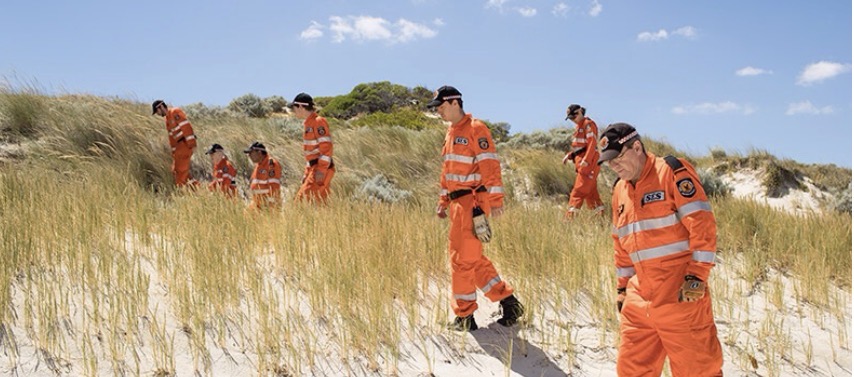
Now, some people think I exaggerate when I say Debbie has no sense of direction — that she could get lost in our own garden if given half a chance. But let the record show: I do not exaggerate.
Whenever we head bush, I make absolutely sure she’s equipped with all the essentials — radio, GPS, backup batteries, and even a whistle — because, frankly, the woman could wander off from a straight road.
So, when she cheerfully volunteered to find the dump point (which, I might add, is literally behind the reception building we both visited earlier this week), I figured she’d be fine. What could possibly go wrong?
Ten minutes later, I happened to glance up and saw our bright orange car cruising slowly up and down the complete opposite end of the caravan park, clearly searching for something that was nowhere near there. No phone. No radio. No GPS. Just pure determination and confusion in equal measure.
While it wasn’t exactly a life-or-death situation, I felt morally obligated to initiate a mild search-and-rescue mission. I tracked her down, guided her safely to her destination, and the cassette was successfully emptied without further incident.
I suppose every good expedition needs a navigator. Unfortunately for us, Debbie isn’t it.





/